
Premium pricing is a strategy of maintaining a higher price than relevant alternatives because a defined group of buyers values a meaningful difference in the offer. That difference might be better performance, distinctive design, reliable service, repairability, or a brand identity that matters to those buyers. A higher price alone does not establish any of these advantages.
The practical question is whether customers can identify a reason to choose the more expensive offer, believe the supporting evidence, and still prefer it when they see the full price. The business also needs to deliver that difference consistently at a cost the price can support.
Key takeaways
- A premium needs a defined audience, a relevant comparison, and a difference those buyers care about.
- Check the promised benefit before purchase and the delivered experience after it.
- Evaluate the actual selling price, the cost of the promise, and the volume of orders together.
What makes a premium price sustainable
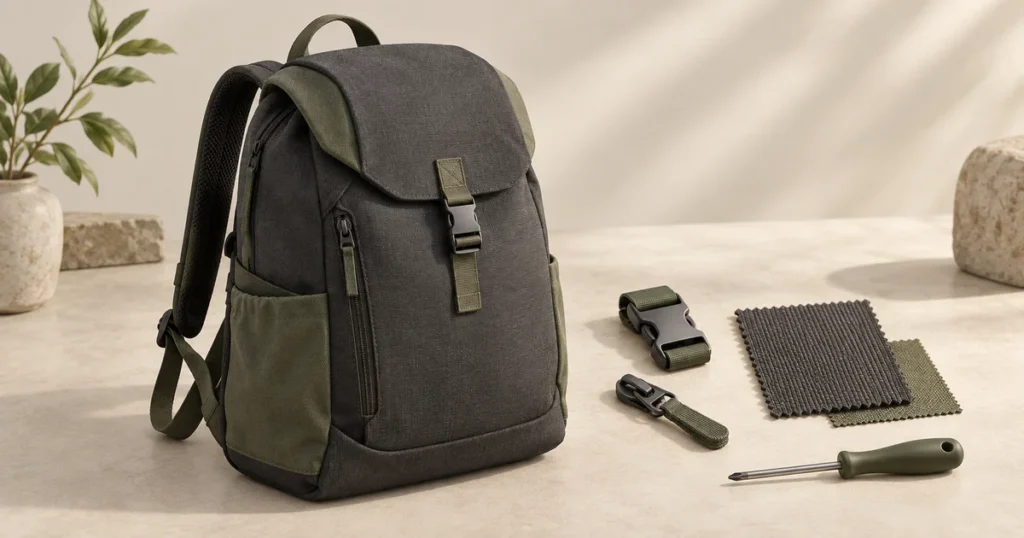
A sustainable premium rests on a reason to keep choosing the offer after its novelty fades. For example, a commuter might pay more for a backpack with comfortable straps and readily available replacement parts. A buyer using it twice a year might see little reason to pay that difference.
Premium positioning is relative to a market and an audience. Prices can change over time, and another offer may still cost more. The aim is to maintain a higher position while preserving the reasons for it.
This separates premium pricing from price skimming, which describes a high launch price followed by planned reductions as the product reaches other buyers. Keeping a higher position over time requires a lasting reason to pay more; a launch schedule answers a different question.
The potential benefit is more revenue per order to fund the offer and contribute to the business. The trade-offs include fewer buyers at that price, added delivery costs, and the need to maintain the promised standard. Whether the result is more profitable depends on how those factors combine.
Define the alternatives buyers actually consider
A price is meaningfully premium only against a relevant alternative. Choose the comparison from the buyer’s shortlist, including other ways to solve the same problem.
For a commuting backpack, that could mean products with similar capacity, laptop fit, delivery terms, and intended use. Comparing it only with a small promotional bag would make the price gap look large without explaining the purchase decision.
Use the amount the customer would pay under comparable conditions. Account for delivery charges, required accessories, and available discounts. Keep currency, tax treatment, and package size consistent. A list price and the net price can tell different stories about the extra amount customers actually pay.
Then identify what belongs to the product and what belongs to the seller. For a retailer carrying the same branded model as its competitors, construction is a shared attribute. Its case for charging more may rest on installation, availability, support, or an easier repair process.
Write down the comparison before defending the gap. If the lower-priced offer already includes the benefit you plan to emphasize, look for an additional reason buyers would pay more.
Make the difference visible and verifiable
Replace broad premium claims with evidence the buyer can inspect. The useful detail is the connection between an attribute and the problem it solves.
These are possible bases for a premium, with examples of evidence to seek. They are not a checklist that every product must satisfy.
| Possible basis for a premium | What would make the claim credible? |
|---|---|
| Better performance | A comparison under stated conditions that match the buyer’s use, such as a capacity, load, or runtime test. |
| Durability and repairability | Relevant test results, replaceable components, parts availability, and clear repair terms. |
| Less effort or uncertainty | Specific setup assistance, delivery commitments, compatibility checks, or accessible support. |
| Distinctive design or fit | Detailed views, dimensions, material samples, or customization options the buyer can evaluate. |
| Provenance, identity, or exclusivity | Verifiable origin or production details and an authentic connection with the intended audience. |
A material specification is evidence of what the product contains. Claims about a longer useful life need evidence from relevant testing or use. A long warranty states a promise; its exclusions and the practical claims process help buyers judge that promise.
For a repairable backpack, show which parts can be replaced, what replacement parts cost, who performs the work, and how long the customer will be without the bag. If customers must ship it overseas at their own expense, include that in the explanation.
Some buyers may value appearance, craftsmanship, belonging, or the pleasure of owning something distinctive. Those can be legitimate reasons to pay more. Describe them accurately without turning subjective preference into a claim of superior technical performance.
The same discipline applies to presentation. Clear photography and packaging help buyers understand the offer. Performance claims still need supporting evidence, and a repair promise needs a working service behind it.
Check whether buyers recognize the benefit
The position you intend to occupy needs to be checked against what buyers actually see. Ask people in the target audience to compare the offers and explain their choices in their own words.
Start with the difference itself. Avoid opening with a leading question such as, “Would you pay more for our superior quality?” It supplies both the judgment and the desired answer.
Useful prompts include:
- Which alternative would you consider, and what makes it suitable?
- What would be better about using this product in your situation?
- Which claim would you need to verify before ordering?
- What, if anything, would you miss if you chose the cheaper option?
- After using the product, which promised benefit actually mattered?
Look for a reason tied to use. “I need to replace a broken buckle without replacing the bag” is more specific than “It looks premium.” Both answers describe a preference, but they suggest different promises and different evidence.
Ask recent buyers, people who chose a rival, and people who returned the product. Record which group each answer comes from. Praise from existing customers alone leaves out the reasons others declined the offer.
Price information can also shape an evaluation. In a controlled wine-tasting experiment, participants reported greater pleasantness for the same wine when it was presented with a higher price. That finding concerns subjective experience in a specific experimental setting. It does not show that the wine objectively improved or that raising an ecommerce price will increase profit.
For the seller, the practical implication is to distinguish what buyers notice about the product from what they infer from its price. Then check how the experience holds up after use. A compliment during an interview is not a paid order.
Once the benefit is clear, willingness-to-pay research can help investigate the amount buyers might accept. Keep the questions separate: whether the distinction matters, and what someone would pay for the complete offer.
A premium pricing example with the cost of the promise
Consider a hypothetical backpack business choosing between a standard offer at $100 and a redesigned offer at $140. The redesigned version includes replaceable buckles, a documented repair service, and stronger strap reinforcement. These are invented offers and planning figures, not results from a retailer.
The extra $40 gives the business room to fund those commitments. Test whether commuters value them, then estimate what they cost to deliver.
Suppose the business estimates the following amounts per order, with sales tax excluded. Variable costs include the product, fulfillment, payment fees, attributable acquisition spending, and allowances for returns and repair work.
| Per-order amount | Standard offer | Redesigned offer |
|---|---|---|
| Selling price | $100 | $140 |
| Product and other variable costs | $60 | $88 |
| Contribution before fixed costs | $40 | $52 |
The price rises by $40, while variable costs rise by $28. That leaves $12 more per order before fixed costs. The contribution margin calculation makes the cost of the added commitments visible.
Order volume can change the result. At 100 orders, the standard offer contributes $4,000. At 75 orders, the redesigned offer contributes $3,900. A higher price and a larger contribution per order would still leave $100 less in total contribution in this scenario.
Neither figure is net profit. New fixed costs, such as maintaining a repair facility, would also need funding. Repair costs may emerge well after the sale, so an early trial needs a realistic allowance that is checked against later claims.
Before adopting the higher-priced offer, the business therefore has three jobs: verify the promised construction, check that its target commuters care about the difference, and observe enough buying and service activity to assess the economics.
Put the premium promise into daily operations
A premium is easier to evaluate when the promise is specific enough for someone to own. Assign responsibility for maintaining the product standard, the evidence on the product page, and the service after purchase.
For the backpack example, the repair commitment needs stocked parts, an intake process, trained staff, and a way to keep customers informed. Record turnaround times and unresolved cases. Those records show whether the business is delivering what supported the higher price.
Track the actual price paid as well. If most orders require a discount, assess the economics at that discounted price. Sales made far below the headline price provide limited evidence that buyers accept the intended premium.
Use competitor observations to check whether the distinction still exists. If comparable products add the same repair support, investigate what buyers now see as different. A competitor price monitoring schedule can help keep the comparison current. Ask buyers how the price gap and the differences between the offers influenced their choice.
Decide whether to keep, improve, or narrow the offer
Maintain the higher position when the intended buyers choose the offer at a viable selling price and receive the benefit promised. Review paid orders alongside returns, service costs, and feedback about the specific difference.
When the results fall short, use the evidence to locate the problem:
- Buyers do not notice the difference. Improve the explanation and supporting evidence, then check their understanding again.
- Buyers notice it but do not care. Reconsider the audience or the offer before adding more premium language.
- Buyers value it but decline at the full price. Investigate the size of the premium, their alternatives, and affordability.
- Buyers pay, but the promise disappoints. Fix the product or service and account for the cost before expanding.
- Only a narrow group values it. Assess whether that group is large enough to sustain the offer.
Before committing, write a short case for the price: the buyer, the alternative, the meaningful difference, the evidence, and the cost of delivering it. Revisit that case as purchase and service records accumulate. Those records provide a firmer basis for holding a premium than the price tag itself.
See how your own catalog compares with the market
SkuPeek finds matching competitor offers and compares their prices and availability with your products.